

Diese Seite im Deutschen Original lesen
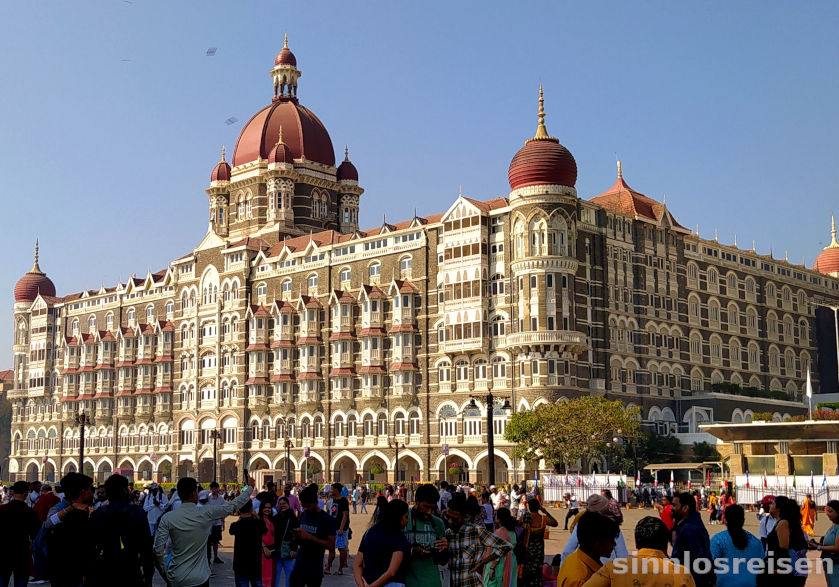
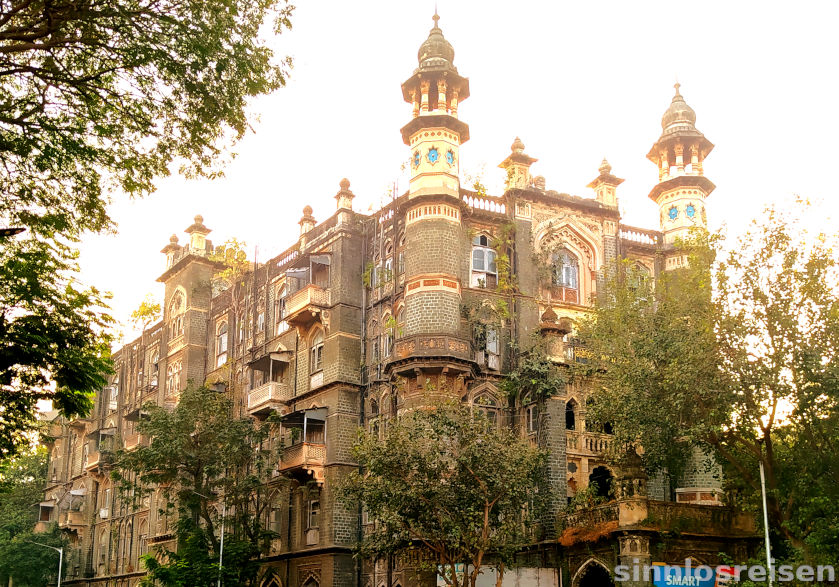
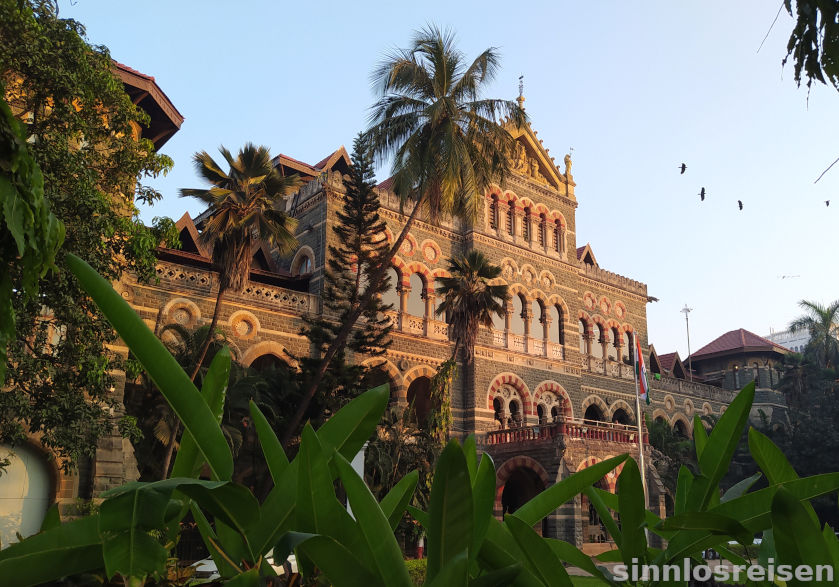
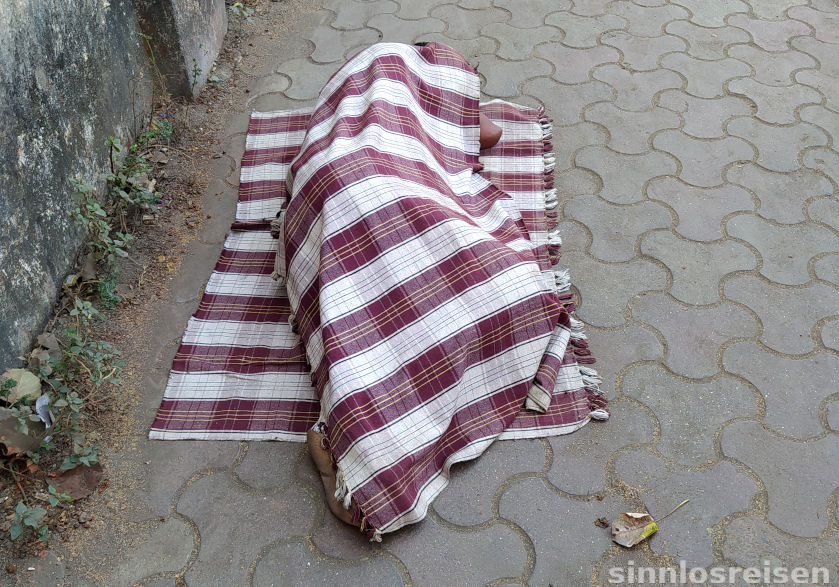
After recovering from the wedding celebration, we visited Mumbai, the second largest city in India. Here you find magnificent architecture with clear influences from the English colonial era. And right next to the luxury, one is struck by the naked poverty on the streets.
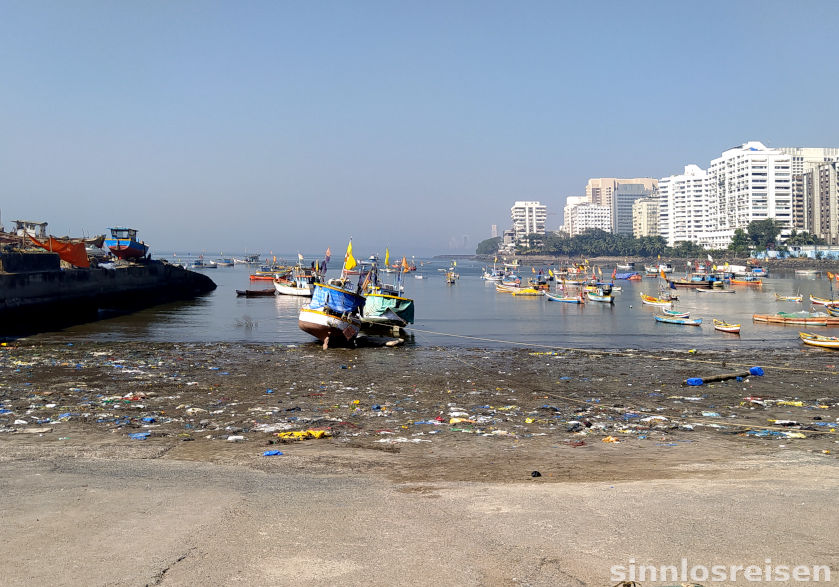
The Slums of Mumbai
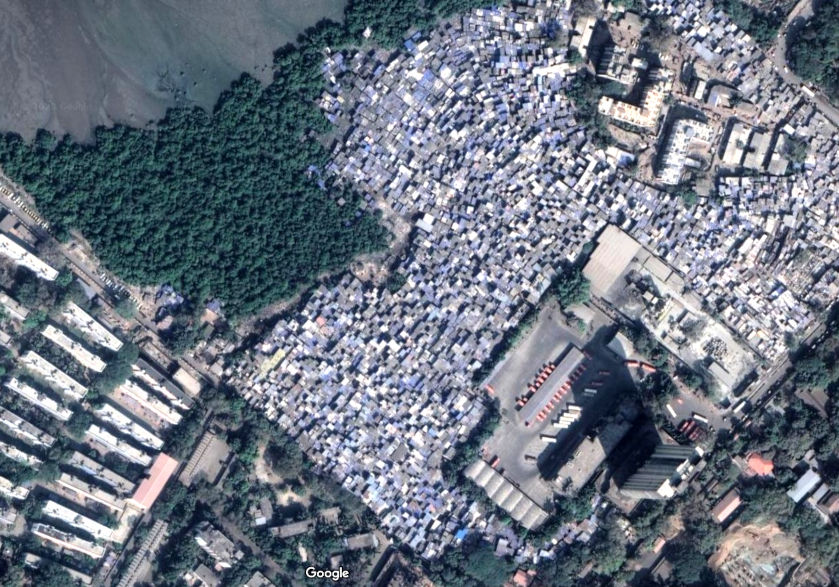
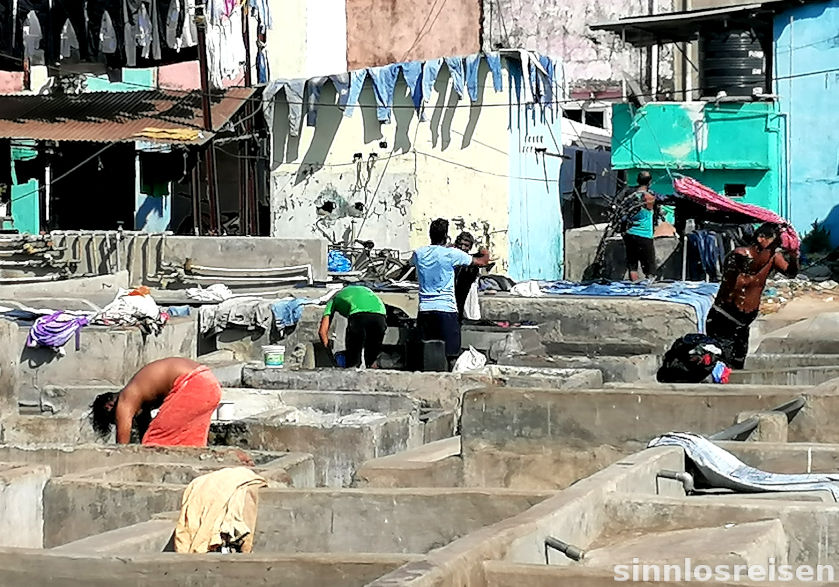
On satellite images, you can recognise the slums by their bluish tin roofs and the dense, unstructured buildings. We asked a taxi driver how dangerous it was in these areas. He didn’t understand the meaning of the question, because he himself lived with his family in a slum. And I was actually pleasantly surprised. Sure, life there is more than modest, but it didn’t seem dangerous to me. At least not during the day and with a local guide.
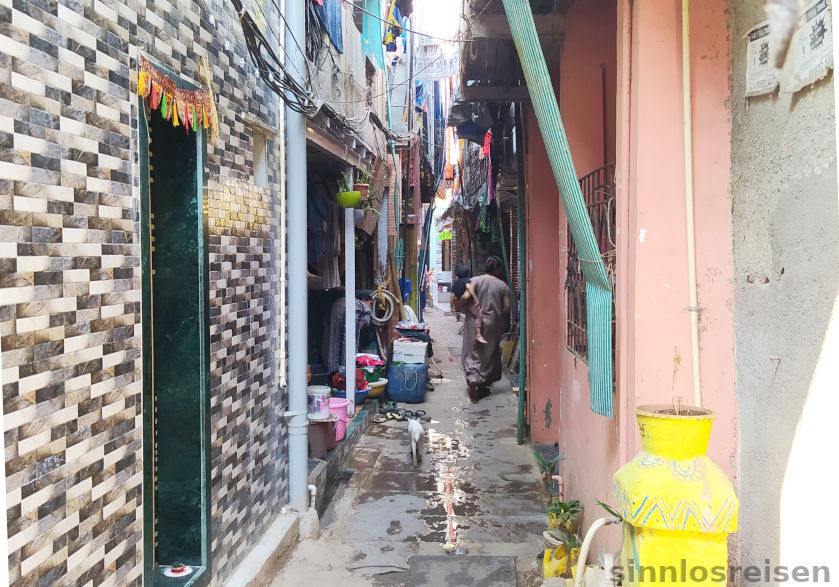
In the slums of Mumbai there are the largest laundries in the world. Thousands of men wash the metropolis‘ laundry here, without any machines. The so-called dhobis have developed a fascinating fetch and bring system. It is almost a miracle when a pair of jeans enters this endless maze of alleys and finds its way back to its owner clean and ironed after a day.
I don’t even want to think about working conditions and fair pay here. But Mrs. SinnlosReisen put it in a nutshell: „Everyone who complains loudly in Germany that because of the increased prices they will soon have to cook their socks, so that they can at least eat some soup, should just do a week’s internship here.“
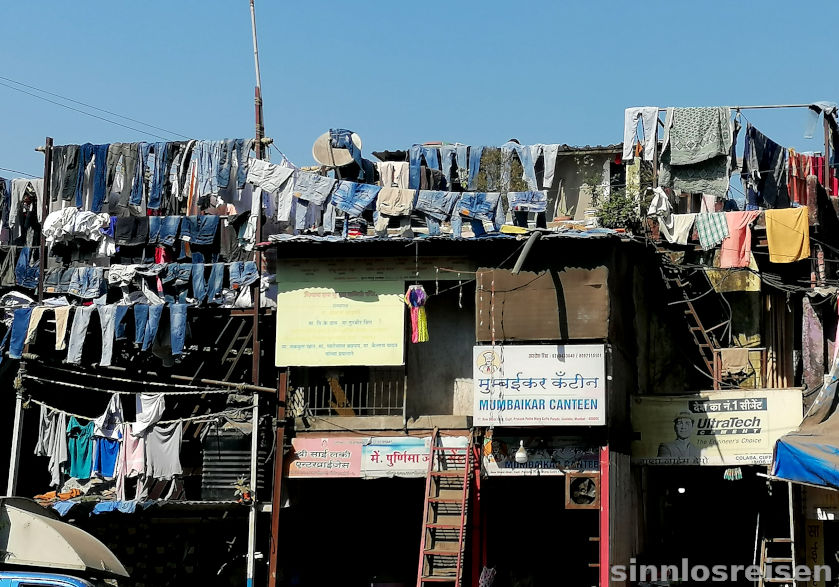
Sweet Revenge
During their colonial period in India, the British spread a number of oddities, including a half done time lag. Because when there were no clocks with automatic time change, the English introduced a convenient trick: they simply turned their pocket watches upside down. 12:00 (both hands up) became 17:30 (both hands down). This means that there is a 5.5 hour time difference between London and Delhi without having to change the hands on the clock.
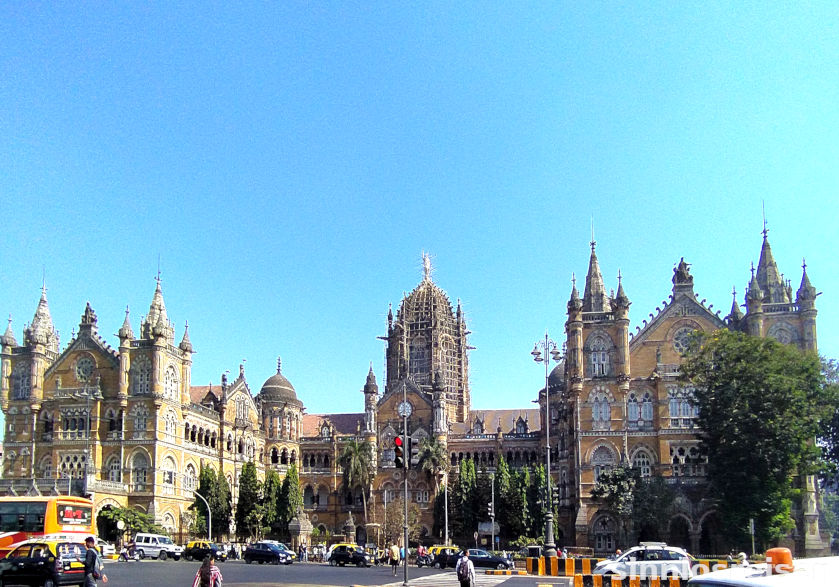
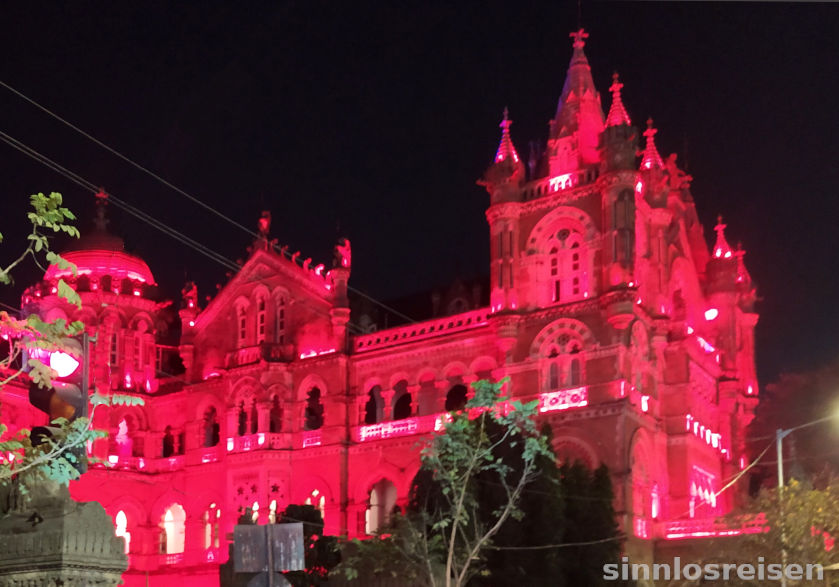
As a late revenge on the unloved colonial masters, the Indians are now giving the former British prestige buildings new names that are almost unpronounceable for the English.
Indian Food
Of course I know Indian food. After all, in many holiday destinations the last option for vegetarians is „then we’ll just go to the Indian restaurant again“. I like Indian food very much and was therefore curious to see what the original tastes like. After two weeks, my verdict is clear: the food in India is simply not good. Sorry for the clear words, but that simply has to be said. No matter where we went to eat, in the hotel, in the fast food restaurant, in the restaurant, at the street food stall, it was never good. Every time it tasted fantastic, sensational, indescribably delicious.

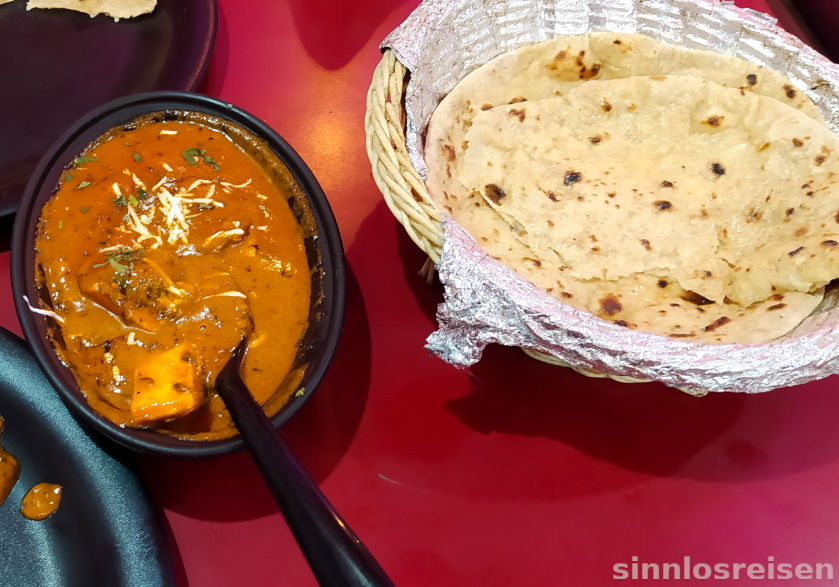

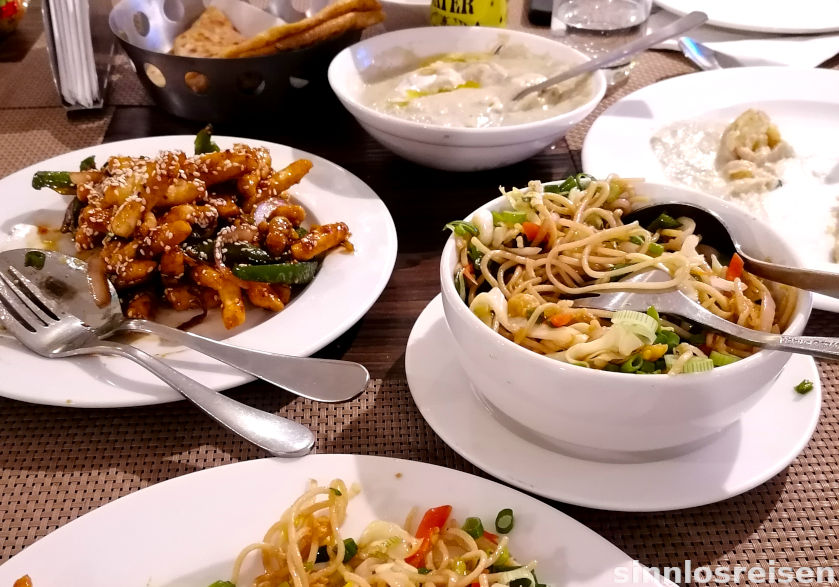

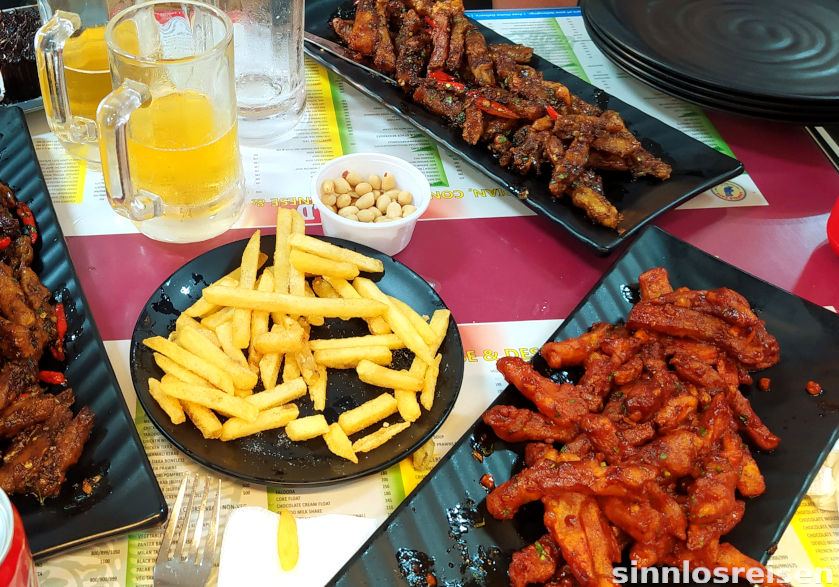
And the best part was the sweets. If only I had refreshed my diabetes vaccination *) before leaving!

Tipping in India
India is a wonderful country! The only thing that really bothered me on our trip (apart from the noise, the dirt, the rubbish, the stench, the poverty, the traffic, the constant honking, the unreliable taxi drivers, the omnipresent chaos, the unpunctuality, the overpriced hotels, the unscrupulous scammers, the toilets without toilet paper, the overcrowded cities, the penetrating stares and the pushy traders) is the way tips are handled. Sure, you tip. A little more if the service was good, a little less if it was bad and sometimes nothing at all if it was lousy. But in India, there is this aggressive expectation in many places that you deserve a tip for every micro-service, no matter how tiny.
At the Taj Mahal, visitors are shown the glittering stones on the tomb with a torch. A sign outside the door says that these are well-paid government employees and please do not tip. Nevertheless, after 30 seconds of demonstration, the torch official holds out his hand. I am so naiv and give him a few rupees, whereupon he rudely snaps at me that this is far too little.
In a Sikh temple we were given an interesting guided tour by a priest. Since the temple ran charities for the homeless, I put a note in the donation slot at the end. „No, no, give the donation to me!“ the priest yelled. But too late, my gift had already tumbled into the official offering box. I don’t want to suspect anyone, but I just can’t think of any serious reason why he would necessarily have to accept the donation personally.
In a hotel in Agra, we caused a minor scandal during check-out. The bellboy noticed too late that we were leaving our room. At the last second, he rushed into the lift cabin and went downstairs with us. When the doors opened, I pulled my trolley case the three metres to the reception myself. The bellboy jumped excitedly behind me and squeaked frantically, „Please, sir, it’s my duty! Let me help you!“. The poor boy almost burst because he was obviously overwhelmed with the situation. When we then also did without the overpriced hotel taxi and ordered an Uber, the horror was great.
As Charly from our travel group rightly remarked, „that’s just the way it is in India“. I still don’t have to like it. I still want to decide for myself which services to use and which not. And if I have to constantly defend myself against services that I don’t need, it’s just annoying. And it leads to an inner defensiveness, with which one then also turns away people who perhaps just want to help. That’s a pity. At least there are some rays of hope: in Delhi, the first „Non Vending Zones“ are being designated, where you can just stay undisturbed.
So, how useless is a trip to India now?
Never before have I found it so difficult to draw a conclusion after a holiday. India is so diverse that it stubbornly resists a final judgement. Besides all the downsides, there are so many impressive sights, cultural highlights and interesting people that you can’t help but be amazed. And we have only seen a tiny fraction of the country.
Therefore, my clear recommendation is: You simply have to experience India yourself. No travel guide and no senseless blog will help. Go there and see for yourself. The experiences will definitely be impressive and enriching, regardless of whether you like it or not. We found our self-organised individual trip quite exhausting. But there are other options, for example a chilled Ayurveda retreat with yoga and meditation, a relaxed beach holiday in an all-inclusive resort in Goa or a guided luxury trip. For good preparation, you can take the ultimate India test with Irene.
Anyway, after two weeks in India, we decided to fly to Bangkok to relax.
*) That was a joke, of course; there is no diabetes vaccination. Unfortunately. You have to get used to sugar through hard training. Have fun!
 Sinnlos reisen